Germany continues to consolidate its position as one of the strategic markets for the growth of Tartessos Power Development. In a European context shaped by the acceleration of the energy transition, the need to strengthen security of supply, and the progress of renewable energy solutions, the development of projects that combine photovoltaic generation and energy storage is becoming increasingly relevant.
At Tartessos Power Development, we continue to advance our international activity with a clear vision: to develop robust, technically viable renewable energy projects aligned with the current needs of the energy system. Within this strategy, our project in Durmersheim represents a further step forward in Germany, one of the European countries playing a leading role in the deployment of clean energy.
The Durmersheim project, designed as a 37.5 MW PV + Battery Storage facility, has recently reached a key milestone by securing its grid connection point. This progress enables the project to continue moving forward and reinforces the value of integrating solar photovoltaic generation with battery storage, an essential combination for building a more flexible, efficient, and sustainable energy system.
A new milestone for Tartessos Power Development’s renewable growth in Germany
Securing a grid connection point is one of the most important milestones in the development of any renewable energy project. It is not merely an administrative or technical step, but a fundamental condition that allows a project to move on to its next stages of development.
In the case of Durmersheim, this milestone confirms the project’s connection feasibility within the electricity system and allows work to continue on the necessary stages for its further maturity. For Tartessos Power Development, it also represents a clear signal of progress within its renewable portfolio in Germany and of the company’s ability to identify, structure, and develop opportunities in markets with strong energy potential.
Why this progress is important for the company
Germany is undergoing a profound transformation of its energy mix. The integration of new renewable capacity, the modernisation of the electricity grid, and the need to manage increasingly decentralised generation make projects such as Durmersheim particularly relevant.
In this context, the combination of solar energy and storage helps address one of the major challenges of the energy transition: producing clean energy while also having the tools to manage its availability more effectively.
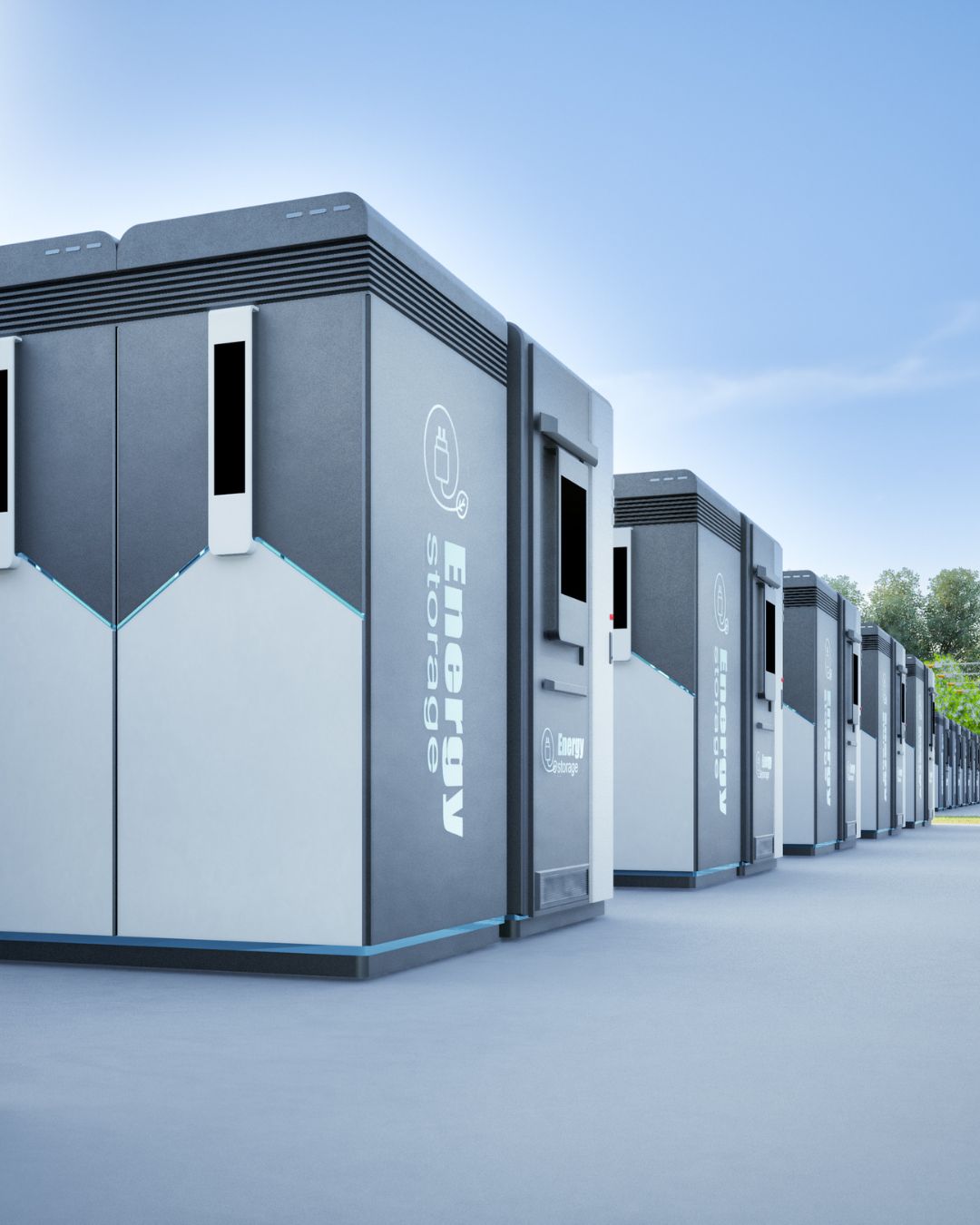
Durmersheim: 37.5 MW of solar energy and battery storage
The Durmersheim project is planned as a 37.5 MW facility integrating solar photovoltaic generation and battery-based energy storage. This configuration makes it possible to harness the potential of solar energy while also providing greater flexibility to the system.
Photovoltaic energy is one of the renewable technologies with the greatest growth potential in Europe. Its speed of deployment, competitiveness, and direct contribution to emissions reduction make it a key component of the new energy model. However, its output depends on the availability of the solar resource, which makes it necessary to incorporate solutions that allow generation and consumption periods to be managed more effectively.
The role of energy storage
Energy storage plays a key role in projects of this kind. Batteries make it possible to store part of the energy generated at specific times and use it later, helping to balance supply and demand.
This capability is especially valuable in electricity systems with a growing penetration of variable renewable energy sources. In Durmersheim, the PV + Battery Storage combination supports the transition towards a more efficient, flexible, and resilient model.
It is not only about producing renewable energy, but about doing so in a way that is better adapted to the real needs of the grid and the electricity market.
Why grid connection is a decisive step
In the development of renewable energy projects, the grid connection point is one of the factors that most strongly determines the progress of a project. Having a connection point makes it possible to define more clearly the technical integration of the facility, its relationship with the existing electrical infrastructure, and its capacity to export the energy produced.
For a project such as Durmersheim, securing this point reduces uncertainty and enables progress on a stronger technical basis. It also allows the planning of subsequent phases to continue, from technical and environmental studies to project structuring and future execution.
A strategic factor in competitive markets
Grid connection is especially relevant in markets such as Germany, where high demand for renewable capacity and the evolution of the electricity system create strong competition for available connection points.
In this context, every step forward in securing grid connection represents a strategic achievement for the development of new renewable facilities. For Tartessos Power Development, this milestone strengthens the company’s position in Germany and demonstrates its capacity to work on projects with demanding technical requirements and a high potential contribution to the energy transition.
The strategic value of energy storage
Energy storage has become one of the major drivers of the renewable energy sector. For years, the development of clean energy focused mainly on generation. Today, the challenge is broader: it is no longer enough to produce renewable energy; it is also necessary to manage that energy intelligently.
Batteries provide flexibility to the electricity system. This flexibility is essential for integrating larger volumes of solar and wind energy, preventing imbalances, and improving grid stability.
A tool to optimise solar energy
In an energy system that is becoming increasingly electrified, digitalised, and decentralised, storage acts as an essential tool for optimising renewable generation.
The integration of batteries into photovoltaic projects makes it possible to make better use of the energy generated during peak solar irradiation hours and facilitate its use during periods of higher demand. This capability contributes to improving system efficiency and reducing dependence on conventional backup sources.
In the case of Durmersheim, the incorporation of energy storage strengthens the strategic nature of the project. The facility will not only add renewable capacity, but will also contribute to an electricity system that is better prepared to manage the variability of solar generation.
Germany, a key market for the European energy transition
Germany occupies a central position in the European energy transition. Its commitment to renewable energy, the decarbonisation of the economy, and the modernisation of its electrical infrastructure make it a benchmark market for the development of new projects.
For Tartessos Power Development, Germany represents a strategic opportunity for several reasons. Firstly, it is a country with strong demand for renewable solutions and a clear vision for a cleaner energy system. Secondly, the German market requires technically robust projects capable of responding to the needs of both the grid and the territory.
An opportunity for technically sound projects
The integration of energy storage opens up new possibilities to deliver value to the electricity system. The progress of the Durmersheim project forms part of this vision. It is not an isolated development, but part of a broader strategy aimed at consolidating Tartessos Power Development’s presence in European markets with strong renewable potential.
As the sector evolves, projects that combine clean generation, storage, and rigorous technical planning will become increasingly relevant. Durmersheim responds precisely to this logic: a project designed to contribute to the energy transition from an efficient, flexible, and sustainable perspective.
A key combination: solar photovoltaic energy and batteries
The combination of solar photovoltaic energy and batteries is one of the most promising solutions in the energy sector. Photovoltaics make it possible to generate clean electricity from an abundant and competitive resource. Batteries, in turn, enable that energy to be managed with greater precision and better adapted to the needs of the system.
This integration offers significant benefits. It improves the use of generated energy, reduces curtailment, provides flexibility services, and contributes to grid stability.
Benefits of the PV + Battery Storage model
The PV + Battery Storage model supports the development of more complete renewable projects, capable of responding to the current challenges of the electricity market.
- Greater use of the solar energy generated.
- Increased flexibility in managing renewable production.
- Contribution to the stability of the electricity system.
- Better adaptation to periods of energy demand.
- Strengthening of system security and resilience.
In Germany, where the energy transition requires new generation capacity and increasingly sophisticated grid management, PV + Battery Storage projects have a particularly important role to play.
Durmersheim, a further step in a renewable growth strategy
The progress of the Durmersheim project reflects Tartessos Power Development’s commitment to developing high-quality renewable energy solutions. Securing the grid connection point allows continued progress on a project that combines photovoltaic capacity, energy storage, and technical planning.
This milestone strengthens the company’s presence in Germany and highlights the importance of working in markets where the energy transition is advancing strongly.
A project aligned with the needs of the energy system
At a time when Europe needs to accelerate the integration of renewable energy and improve the flexibility of its grids, projects such as Durmersheim represent a concrete contribution to that process.
The integration of PV + Battery Storage supports the transition towards an energy model that is cleaner, more efficient, and more secure. It also demonstrates the importance of well-structured projects capable of overcoming key development phases and adapting to the requirements of the electricity system.
Commitment to a more flexible and sustainable energy system
At Tartessos Power Development, we continue working to promote renewable energy projects that deliver value to the energy system and to the local territory. Our approach combines strategic vision, technical analysis, and a commitment to sustainability.
The development of Durmersheim is an example of this way of working. Through this project, we reinforce our activity in Germany and continue advancing solutions that integrate solar generation and energy storage.
Towards a cleaner and more resilient energy future
The combination of solar energy and batteries will become increasingly important in supporting the growth of renewable energy and responding to the flexibility needs of the electricity system.
Securing the grid connection point for Durmersheim therefore represents much more than a single step forward. It is a key milestone within a renewable growth strategy in Germany and a demonstration of the role that Tartessos Power Development aims to play in the European energy transition.
With this project, we continue moving towards a cleaner, more flexible, and more resilient energy future.